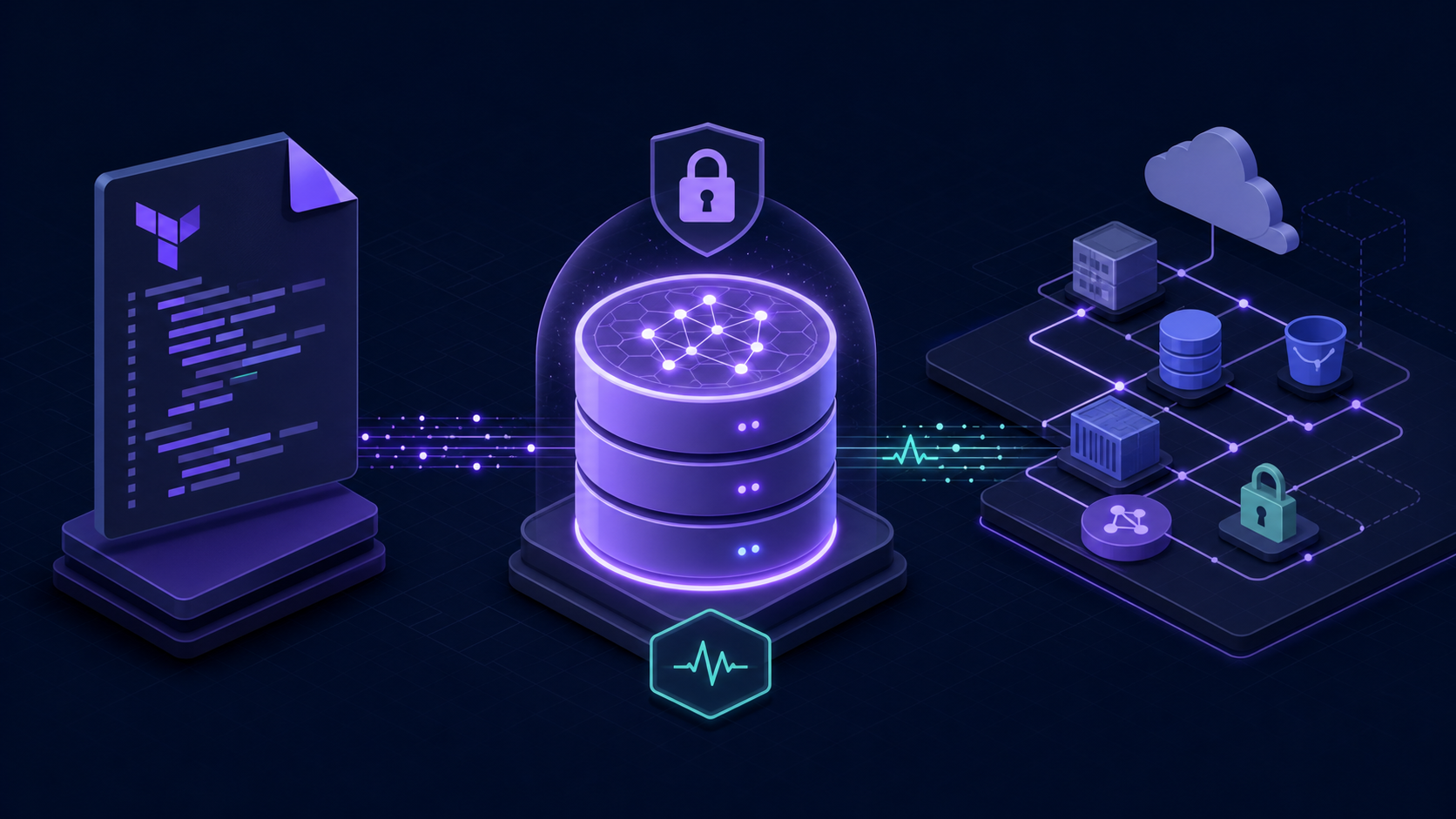
Terraform Modules and Providers for Associate 004
Get clear on module sources, variable scope, provider requirements, aliases, and versioning before those Terraform Associate questions show up.
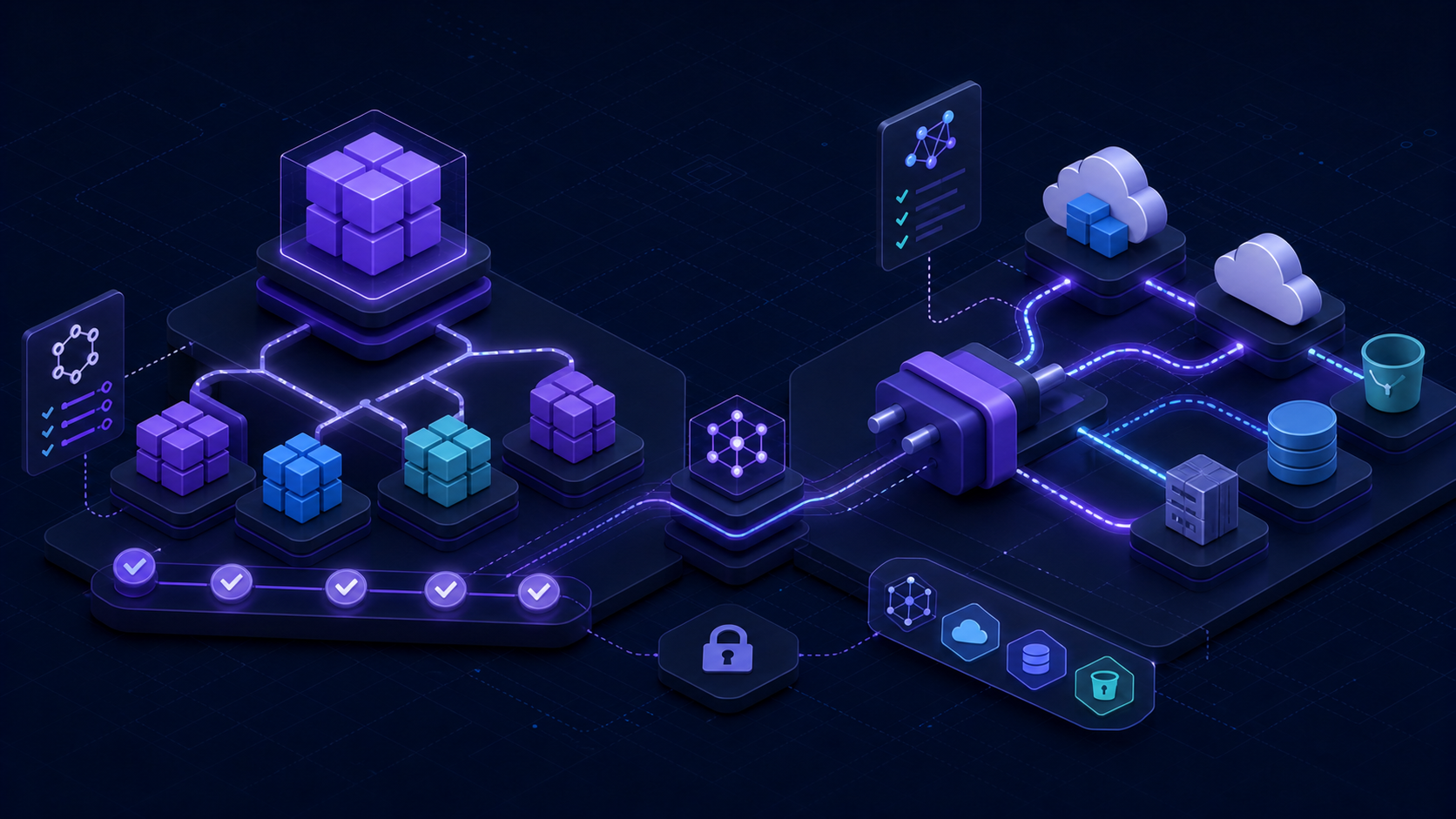
Terraform modules and providers are two of the easiest topics to blur together during exam prep. They interact constantly, but they solve different problems. Providers let Terraform talk to external platforms and services. Modules let you organize and reuse Terraform configuration. Once that split is clear, a lot of Associate 004 questions become easier to reason through.
HashiCorp's current content list covers provider installation and versioning, how Terraform uses providers, writing configuration with multiple providers, module sources, variable scope, module usage, and module version management. In other words, this is not one narrow subtopic. It is a substantial part of the exam. The official mapping is published on HashiCorp's Associate 004 content list.
Providers: how Terraform reaches real platforms
A provider is the plugin Terraform uses to interact with an API or service. If Terraform manages cloud resources, SaaS objects, or other external systems, it does so through providers. For the exam, that means you should understand three ideas clearly:
- Providers are required for Terraform to manage resources in external platforms.
- Provider requirements and provider configuration are related but not identical.
- Version constraints help keep runs predictable.
Associate-level questions often test whether you know why provider version constraints matter. The short answer is repeatability. Teams want consistent behavior across runs and environments.
Why the dependency lock file matters
The lock file supports consistent provider selection across machines and runs. You do not need to overthink it for the exam. Just remember the operational purpose: reduce surprises by keeping dependency resolution stable unless you intentionally upgrade.
Multiple providers and aliases
Terraform can work with multiple providers in one configuration, including multiple configurations of the same provider through aliases. That matters when teams need to target different accounts, regions, or contexts. If an exam question describes one configuration talking to more than one environment, provider aliases should come to mind.
Modules: how Terraform becomes reusable
Modules are packages of Terraform configuration. The root module is the main working directory, and child modules are called from it. Modules help teams avoid rewriting the same resource patterns again and again.
The exam expects you to understand how Terraform sources modules, how to use them in configuration, how values move in and out through inputs and outputs, and how module versions are managed.
Common module sources
A module can come from local paths, a registry, or other supported sources. The important exam idea is not memorizing every transport option. It is recognizing that modules are consumable building blocks and that source location determines where Terraform obtains them.
Variable scope inside modules
Variable scope is a frequent source of confusion. A value passed into a child module belongs to that module's interface. Outputs let the child module expose selected values back to the caller. Values do not automatically become globally visible just because they exist somewhere in the configuration tree.
If a question asks how data crosses module boundaries, think in terms of explicit inputs and outputs.
Why module versioning matters
Just like provider version constraints, module versioning supports stability. If a team wants predictable behavior, it should avoid pulling changing module code without control. The exam often rewards candidates who think in terms of safe, repeatable infrastructure operations rather than convenience alone.
Modules vs providers in one sentence each
| Concept | Main job |
|---|---|
| Provider | Connect Terraform to external platforms and APIs |
| Module | Package and reuse Terraform configuration patterns |
If you keep that distinction sharp, many question stems become easier to decode.
How this topic overlaps with the rest of the exam
Modules and providers connect to several other domains:
- They depend on
terraform initin the core workflow. - They shape how configuration is organized and validated.
- They influence repeatability through version constraints and lock files.
- They often appear in multi-environment and team-oriented scenarios.
If you want to reinforce the workflow side of this topic, continue with our Terraform workflow guide. If you want the higher-level exam map, use our objectives breakdown.
FAQ
What is the difference between a Terraform provider and a Terraform module?
A provider lets Terraform interact with external services. A module groups reusable Terraform configuration into a consumable unit.
Why do provider version constraints matter?
They help keep Terraform behavior consistent across runs and reduce unexpected changes from dependency upgrades.
How do values move between modules?
Values are passed into child modules as inputs and returned to the caller through outputs.
Bottom line
Provider questions test whether you understand how Terraform reaches the outside world. Module questions test whether you understand how Terraform stays reusable and organized. Both show up often enough that they deserve dedicated study time.
Once you think you have this topic down, take the Terraform Associate practice tests. They are useful study material because they repeatedly make you separate provider behavior, module reuse, aliases, version constraints, and lock-file concepts, which is where many candidates discover they understood the terms less clearly than they thought.